Water tank cleaning is a specialized maintenance procedure essential for ensuring that stored water remains potable and free from bacterial contamination, algae, and sediment. Over time, even “clean” water sources leave behind mineral deposits and biofilms that can compromise health.
The professional cleaning process generally involves these six stages:
Preparation and Dewatering
Before cleaning begins, the tank must be safely emptied.
Isolation: The inlet valve is closed to stop new water from entering, and the outlet valve is shut to prevent dirty cleaning water from entering the building’s plumbing system.
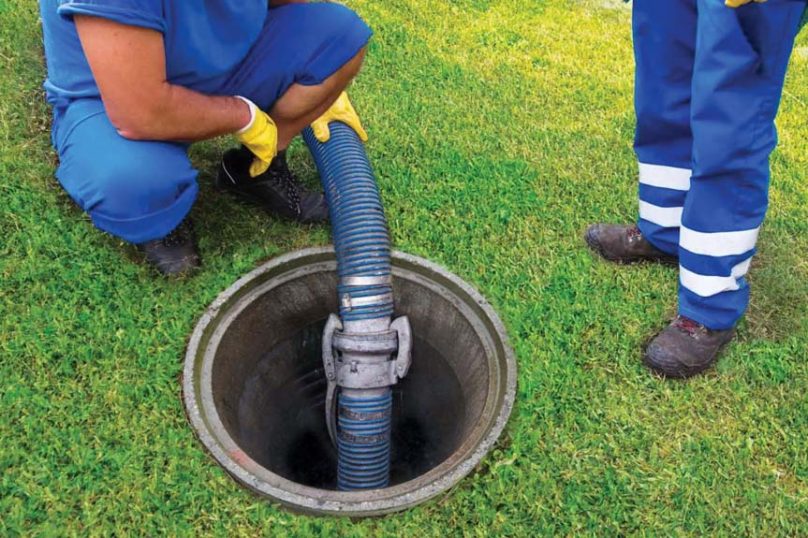
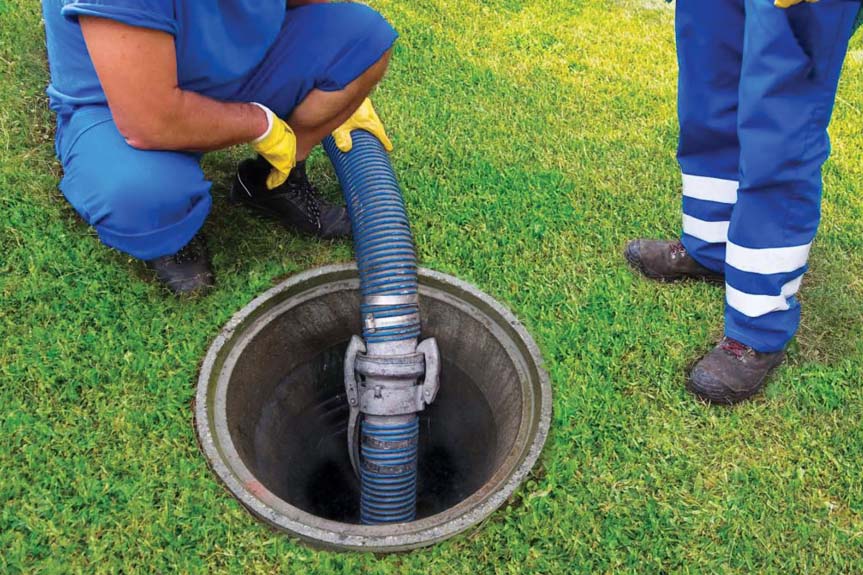
Pumping: A submersible pump is used to drain the remaining water. Technicians typically leave a few inches of water at the bottom to help mix and remove the settled silt.
Sludge Removal
The “sludge” layer at the bottom of the tank consists of settled minerals, sand, and organic matter.
Manual or Vacuum Extraction: In smaller tanks, sludge is manually scooped out. In larger or industrial tanks, a high-power industrial vacuum is used to suck out the slurry to ensure the floor is completely clear of debris.
Scrubbing and High-Pressure Cleaning
Once the tank is empty, the internal surfaces must be physically cleaned to remove biofilms and scaling.
High-Pressure Jetting: Technicians use high-pressure water jets (typically 2,000 to 3,000 PSI) to blast the walls, ceiling, and floor. This removes algae, calcification, and stubborn stains.
Manual Scrubbing: In corners or around internal pipes (like the float valve and ladder), stiff brushes are used to ensure no organic matter remains.
Anti-Bacterial Treatment
Even a visually clean tank can host microscopic pathogens like Legionella or E. coli.
Sterilization: A food-grade antibacterial agent or a chlorine-based solution is sprayed over all internal surfaces.
Dwell Time: The disinfectant is left to sit for a specific duration (usually 30 to 60 minutes) to ensure total neutralization of bacteria and viruses.
Final Rinsing and Vacuuming
Flushing: The tank is thoroughly rinsed with fresh water to remove any traces of the cleaning chemicals.
Final Suction: A vacuum is used one last time to ensure the tank is bone-dry and free of any residual cleaning agents or loose particles before refilling begins.
Testing and Restoration
Refilling: The inlet valve is opened, and the tank is filled with fresh water.
Component Check: The technician checks the foot valve, float ball, and the lid’s seal. A secure, airtight lid is critical to prevent mosquitoes, insects, and dust from re-contaminating the water.
Water Quality Test: In professional settings, a quick TDS (Total Dissolved Solids) or chlorine residual test may be performed to ensure the water is safe for immediate use.
Recommended Frequency
For residential buildings, a full professional cleaning is recommended every 6 to 12 months. In commercial or food-service environments, quarterly cleanings are often required to maintain health compliance standards.