Manhole cleaning is a critical maintenance task designed to ensure the proper flow of wastewater and prevent system backups, overflows, and structural deterioration. It is a hazardous process that requires specialized equipment and strict adherence to safety protocols.
The work generally follows these key stages:
Inspection and Assessment
Before cleaning begins, technicians assess the condition of the manhole. This often involves:
Gas Monitoring: Using multi-gas detectors to check for hazardous vapors like hydrogen sulfide ($H_2S$), methane ($CH_4$), or low oxygen levels.
Visual Inspection: Using high-powered lights or pole-mounted cameras to identify blockages, root intrusions, or structural cracks.
Setting Up the Workspace
Safety is the priority during setup. This includes:
Traffic Control: Placing cones, signs, and barriers to protect workers from vehicles.
Ventilation: Using blowers to force fresh air into the shaft and displace toxic gases.
Personal Protective Equipment (PPE): Workers wear specialized gear, including waterproof suits, gloves, respirators, and safety harnesses if entry is required.
The Cleaning Process
Most modern manhole cleaning is performed using High-Pressure Water Jetting or Vacuum Extraction to avoid manual entry whenever possible.
Jetting: A high-pressure hose with a specialized nozzle is lowered into the manhole. It blasts water at pressures often exceeding 2,500 PSI to break up solidified grease, scale, and debris.
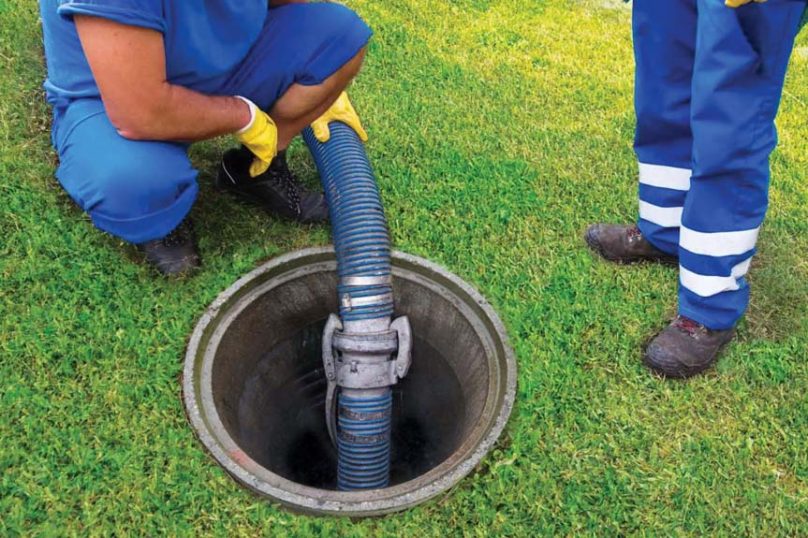
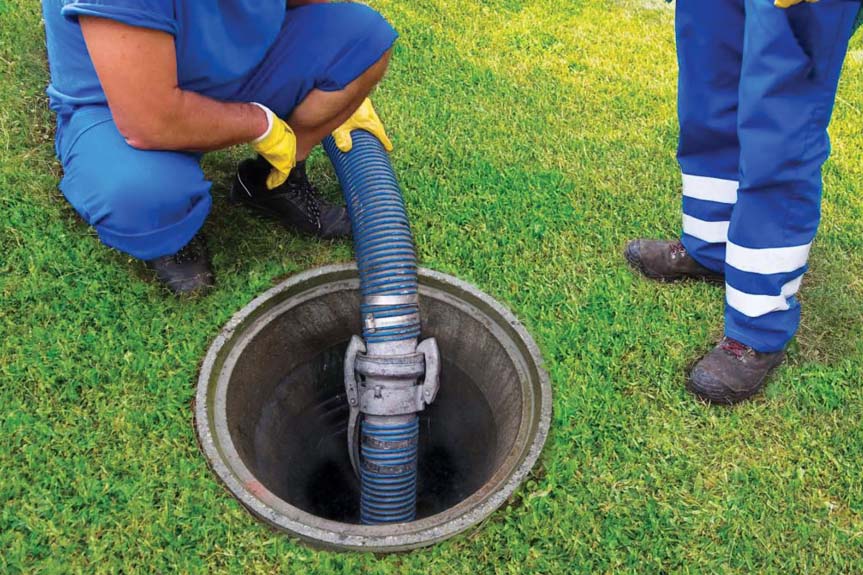
Vacuuming: A large-diameter suction hose connected to a vacuum truck removes the dislodged sludge, liquids, and solid waste directly into a debris tank.
Mechanical Rodding: In cases of heavy root intrusion, mechanical cutters or augers are used to clear the pathway.
Structural Maintenance
If the cleaning reveals damage, additional work may involve:
Patching: Applying specialized cement or epoxy to fix leaks.
Grouting: Injecting chemical grouts to stop groundwater infiltration.
Cover Replacement: Ensuring the manhole frame and cover are secure and flush with the road surface.
Waste Disposal
The collected waste (sludge and debris) is transported to a designated treatment facility or a legal discharge point. It cannot be dumped back into the system or onto the ground due to environmental regulations.
Safety Note
In many regions, manual scavenging (cleaning manholes by hand without protective gear) is strictly prohibited by law due to the extreme health risks. Professional work is now almost exclusively mechanized to protect human life and improve efficiency.