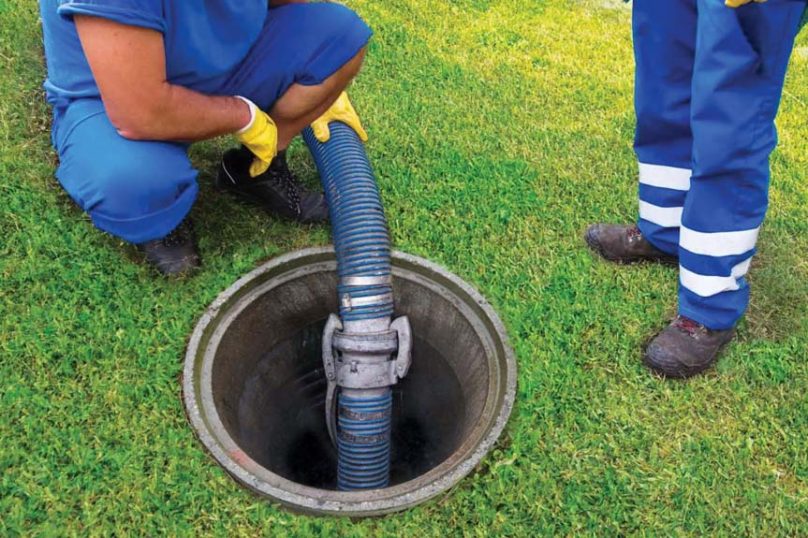
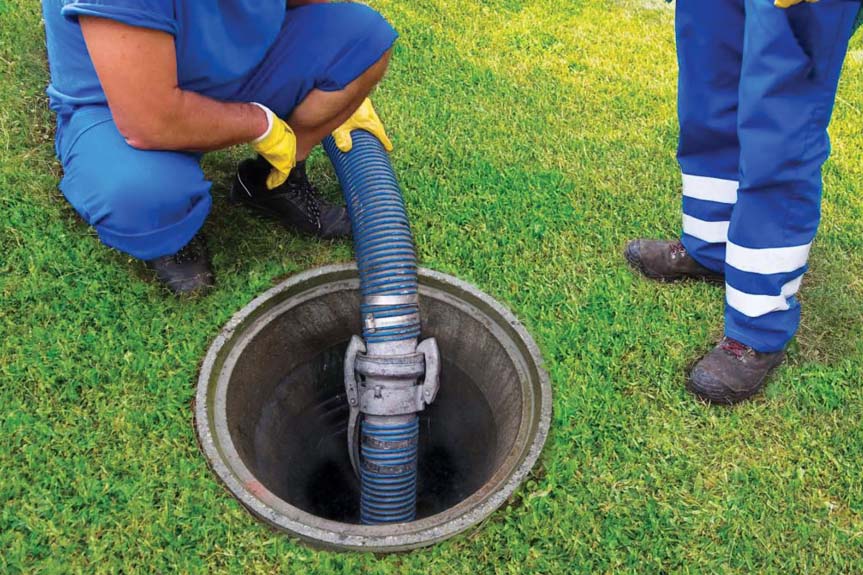
Drain cleaning is the process of removing obstructions and buildup from interior or exterior plumbing lines to restore full flow capacity. Unlike manhole or septic maintenance, drain cleaning often focuses on smaller-diameter pipes where buildup is more concentrated.
The work typically involves the following professional methods:
Diagnostics and Inspection
Before any cleaning starts, it is essential to identify the nature of the blockage.
CCTV Drain Survey: A waterproof, high-definition camera is fed into the line. This reveals if the issue is a simple clog (grease, hair, soap scum) or a structural problem (pipe collapse, offset joints, or root intrusion).
Location: Technicians use a sonder (transmitter) on the camera head to pinpoint exactly where the blockage is located beneath the floor or ground, minimizing unnecessary digging.
Mechanical Cleaning (Drain Snaking)
This is the most common method for smaller residential or commercial clogs.
The Equipment: A motorized “snake” or auger uses a flexible steel cable that rotates as it enters the pipe.
The Action: Different “heads” or cutters can be attached to the cable. These attachments either grab the obstruction (like a hair clog) to pull it out or grind through it (like tree roots or solid debris) to break it apart.
Hydro-Jetting (Scouring)
While snaking clears a path through a clog, hydro-jetting cleans the entire internal diameter of the pipe.
High-Pressure Water: A specialized machine pumps water through a long hose at pressures ranging from 3,000 to 4,000 PSI.
Self-Propulsion: The nozzle has rear-facing jets that propel the hose forward into the drain and forward-facing jets that blast through the blockage.
Effectiveness: This is particularly effective for “soft” blockages like fat, oil, and grease (FOG), which a snake might simply poke a hole through. It leaves the pipe walls nearly as clean as the day they were installed.
Root Cutting and Descaling
In older pipes, particularly cast iron or clay, specific issues require specialized tools:
Root Cutters: Specialized hydraulic or mechanical saws that rotate at high speeds to shave off intrusive tree roots without damaging the pipe.
Descaling: For cast iron pipes with heavy rust or scale buildup, technicians use a rotating chain flail that knocks the scale off the pipe walls, which is then flushed away.
Testing and Prevention
Flow Test: After cleaning, the line is heavily flushed with water to ensure there are no lingering slow spots.
Bacterial Treatments: In some cases, biological or enzymatic cleaners are introduced to the lines to eat away at organic residue and prevent immediate reformations of grease clogs.
Professional Safety
Drain cleaning involves exposure to “black water” (sewage) and potentially dangerous sewer gases. Professionals prioritize skin and eye protection and ensure the workspace is sanitized afterward to prevent the spread of bacteria into the living or working environme